Column · @donovanxmvx160
Jamaican Food Recipes Full of Heat, Sweetness, and Spice
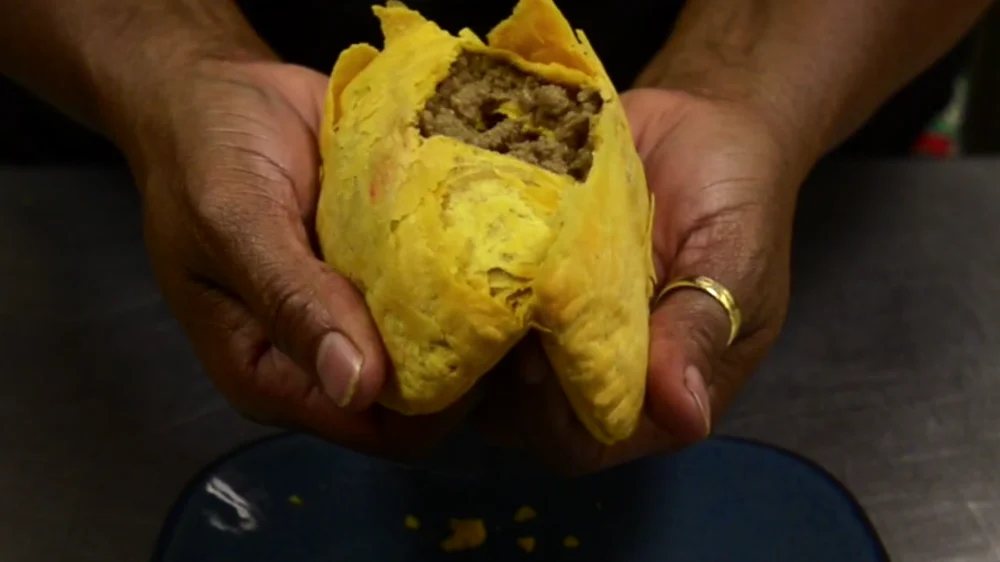
Jamaican food has a way of announcing itself before it reaches the table. You smell the smoke first, then the warm sweetness of allspice, then the sharp green edge of thyme and scallion, and somewhere under all of it, the steady heat of Scotch bonnet. Good Jamaican cooking does not chase subtlety for its own sake. It aims for balance with backbone. Sweetness is never just sweet. Heat is never there only to punish. Spice is layered, fragrant, savory, and often tied to technique as much as seasoning.
That balance is what makes the best Jamaican recipes so satisfying to cook at home. They are full of big flavors, but they are not mysterious. Once you understand a few core ingredients and how Jamaicans build taste into marinades, stews, and rice pots, the cuisine becomes practical as well as memorable. A home kitchen can turn out deeply flavorful jerk chicken, proper rice and peas, rich curry goat, crisp escovitch fish, and tender fried festival without resorting to shortcuts https://donovantmlz306.valoradigest.com/posts/the-ultimate-guide-to-jamaican-food-for-first-time-food-lovers that flatten the character of the dish.
The first thing to know is that Jamaican food is not one-note spicy. People who have only tasted a bottled jerk sauce from a supermarket shelf often assume that every plate will be aggressively hot and smoky. In a real kitchen, the picture is broader. Brown sugar softens a marinade. Coconut milk rounds out beans and rice. Vinegar brightens fried fish. Browning sauce gives stews their dark finish. A good cook keeps all those tensions in play.
The flavor base that makes Jamaican food taste right
Most Jamaican recipes begin with a combination of fresh aromatics and dry spices rather than a single dominant seasoning packet. Scallion, thyme, garlic, onion, ginger, Scotch bonnet, black pepper, and allspice form the backbone of countless dishes. Pimento, the Jamaican name for allspice, matters more than many home cooks realize. If you leave it out of jerk or stewed meats, the food can still taste good, but it will not quite taste Jamaican.
Scotch bonnet is another ingredient people mishandle. It is famous for heat, but its fruitiness matters just as much. A habanero can work in a pinch because the flavor profile is similar, yet the best result still comes from Scotch bonnet when you can find it. The trick is controlling how much of the pepper and seeds go into the dish. If you want aroma and moderate heat, pierce the whole pepper and simmer it in the pot. If you want a stronger kick, mince part of the pepper into the marinade or sauce. If you want real fire, use more than one, and keep the seeds.
This is also a cuisine that rewards patience. Jerk is better after an overnight rest. Curry goat tastes fuller the next day. Rice and peas improves when the coconut milk has time to absorb into the grains instead of sitting on the surface. Jamaican home cooking often asks for a little waiting, but the payoff is visible in the pot and obvious on the plate.
Here are a few essentials worth keeping on hand if you plan to cook Jamaican food regularly:
- allspice, dried thyme, black pepper, and good curry powder
- scallion, onion, garlic, ginger, and fresh thyme
- Scotch bonnet peppers, or habanero if necessary
- coconut milk, dried kidney beans or canned beans, and long grain rice
- soy sauce, vinegar, browning sauce, and brown sugar
Jerk chicken, where smoke, sweetness, and heat meet
People outside Jamaica often think of jerk as a sauce. It is better understood as a seasoning method rooted in spice, smoke, and time. Traditional jerk cooking uses pimento wood and slow heat, often over a drum pan or open fire, with meat positioned to roast and smoke rather than simply grill. At home, you can get close enough to make a serious, deeply flavored version, even without a backyard setup.
Start with bone-in chicken if possible, ideally a mix of thighs and drumsticks. Boneless chicken cooks too quickly and misses some of the richness that the marinade needs to cling to. For about 4 pounds of chicken, blend 8 scallions, 1 medium onion, 6 garlic cloves, a thumb of ginger, 2 to 3 Scotch bonnet peppers, 2 tablespoons dried thyme or a generous handful of fresh thyme, 1 tablespoon whole or ground allspice, 2 teaspoons black pepper, 1 tablespoon brown sugar, 2 teaspoons salt, 2 tablespoons soy sauce, 1 tablespoon vinegar, and enough neutral oil to loosen the paste. Some cooks add a little nutmeg or cinnamon. Used lightly, both can work, though too much muddies the brighter spice notes.
Cut a few slashes into the chicken and rub the marinade everywhere, including under the skin where you can reach. Then let it sit overnight. Four hours is workable. Twenty-four hours is better. That extra time does not just intensify flavor. It changes the character of the chicken, especially around the bone.
Cooking method matters. If you grill, use indirect heat for most of the time so the sugars in the marinade do not burn before the meat cooks through. Finish over higher heat to char the edges. If you roast in the oven, start at around 400°F and let the chicken color deeply, then broil briefly at the end if needed. A spoonful of leftover marinade can be brushed on during cooking, but only if it has not touched raw chicken, or if it has been cooked first.
The best jerk chicken should taste hot, but not only hot. You should get sweetness from the sugar and onion, a resinous warmth from allspice, and a herbal note from thyme. The skin should be dark and sticky in places. The juices should carry spice all the way through. Served with rice and peas and a simple cabbage slaw, it becomes one of the most satisfying meals in the Jamaican repertoire.
Rice and peas is not a side dish afterthought
Many people hear “rice and peas” and imagine plain white rice with green peas stirred in. Jamaican rice and peas is something else entirely. The “peas” are usually red kidney beans or gungo peas, and the dish is built on coconut milk, thyme, scallion, garlic, and often a whole Scotch bonnet. It is fragrant, rich, and central to the plate.
If you are cooking dried kidney beans, soak about 1 cup overnight, then simmer until tender. Save the cooking liquid. If you are using canned beans, use 2 cups drained beans and add water or stock for the liquid base. In a medium pot, combine the cooked beans, about 1 can of coconut milk, enough water or bean liquid to total roughly 3 cups, 2 crushed garlic cloves, 3 scallions tied in a knot if you like, 2 sprigs of thyme, salt, black pepper, and one whole Scotch bonnet. Let that simmer for several minutes so the flavors mingle before you add 2 cups of long grain rice.
This is the point where judgment matters. Coconut milk varies in richness. Rice varies in thirst. You want enough liquid to cook the rice through, but not so much that the grains blow open and turn heavy. Once the rice goes in, stir only once or twice, then keep the pot covered on low heat. Some cooks add a small knob of butter near the end, which gives a softer finish. Others prefer it cleaner and lighter. Either way, do not rush the resting time. Ten minutes off the heat helps the grains settle and separate.
A proper pot of rice and peas should smell of coconut and thyme before you taste it. The beans should be tender but intact. The pepper should perfume the rice without dominating it unless you decide to burst it. This dish carries the fire of jerk, the richness of curry, and the tang of escovitch with quiet confidence. It is the cushion that lets stronger flavors shine.
Curry goat, slow-cooked until the sauce clings
Curry goat is one of those dishes that exposes weak shortcuts immediately. If the meat is not marinated, if the curry powder is dumped in without blooming, or if the pot is rushed, the result can taste flat and dusty. When handled properly, curry goat is dense with flavor, tender without turning mushy, and bright enough from herbs and pepper to avoid heaviness.
Goat remains the classic choice, though mutton is common in some kitchens and easier to find in certain markets. For about 3 pounds of meat, season it first with salt, black pepper, 1 sliced onion, 4 scallions, 4 garlic cloves, 1 tablespoon grated ginger, fresh thyme, and 1 chopped Scotch bonnet. Add 2 to 3 tablespoons Jamaican curry powder and let the meat sit for at least a few hours. Overnight gives the best depth.
The important move comes at the stove. Heat oil in a heavy pot and add another spoonful of curry powder to the oil before the meat goes in. This “burning” or blooming of the curry is not about scorching it. It is about waking up the spice in the fat so the final sauce tastes rounded and developed. Once it becomes fragrant, add the meat and let it pick up color. Then add enough water to cover partway, not fully drown it, and simmer gently. Potatoes are often added later, both to stretch the dish and to absorb the sauce.
Jamaican curry differs from some Indian curries in profile and intent. It often leans more on turmeric, allspice, and a certain earthy warmth, with a looser, stew-like structure rather than a highly reduced masala. The final sauce should be thick enough to coat a spoon, but still fluid enough to spoon over rice. The goat should yield easily, though not collapse into shreds.
One practical note from experience, goat can vary wildly depending on age and cut. Young goat can become tender in under two hours. Older goat may need quite a bit longer. Pressure cookers save time, and many home cooks use them, but even then, I prefer to finish the curry uncovered afterward to tighten the sauce and restore the layered aroma that pressure cooking can mute.
Escovitch fish brings the sharp edge that balances richer dishes
If jerk and curry represent the smoky and stewed heart of Jamaican food, escovitch fish brings brightness and crunch. It is usually made with whole fried fish, often snapper, then topped with a hot pickled dressing of onions, carrots, bell peppers, and Scotch bonnet. The appeal is contrast. Crisp skin, flaky flesh, sharp vinegar, fresh vegetables, and heat that arrives in flashes.
A medium whole snapper, cleaned and scored, is ideal. Season it with salt, black pepper, and a little garlic. Some cooks rub on a touch of all-purpose seasoning or a squeeze of lime beforehand. Dusting the fish lightly with flour helps it crisp in the oil, though it is not mandatory. Fry until the exterior is deeply golden and the fins are brittle. That texture matters, because the fish will soften slightly once topped.
For the escovitch dressing, sauté sliced onion, carrot strips, bell pepper, and Scotch bonnet in a small amount of oil just until they begin to relax, then add vinegar, a pinch of sugar, salt, and black pepper. The vegetables should keep some bite. They are not meant to disappear into the sauce. Spoon the hot dressing over the fish just before serving, or let it sit briefly if you want the vinegar to penetrate more.
This dish is especially useful for cooks who want to understand how Jamaican food handles acidity. The vinegar is assertive, but it does not erase the spice. It sharpens it. Escovitch fish also teaches restraint. If you overload the topping with too much sugar or too many soft peppers, you lose the clean, lively effect that makes the dish work.
Festival, the sweet fried companion that belongs on the plate
Festival is one of the most charming things in Jamaican cooking because it does not need to shout to be memorable. These lightly sweet fried dough sticks often show up beside jerk meats or fried fish, and they perform a practical job as much as a flavorful one. They cool the palate, soak up sauce, and add a contrasting softness inside their crisp shell.
A reliable home version can be made with about 2 cups flour, 1 cup cornmeal, 2 to 3 tablespoons sugar, 1 tablespoon baking powder, a pinch of salt, and enough water or milk to form a soft but shapeable dough. Some cooks add vanilla. Some keep it savory-sweet and plain. Knead briefly, rest the dough, then shape it into short logs and fry until evenly browned.
The texture should not be cakey. It should be tender with a slight chew. Too much flour and too little resting time can make festival dense. Too much sugar can brown the outside before the inside cooks. When it is right, it tastes faintly sweet and toasty, almost simple enough to overlook, until you eat it with jerk chicken and realize the plate would feel incomplete without it.
Why seasoning technique matters more than ingredient lists
One reason Jamaican food frustrates some beginners is that two cooks can use similar ingredients and produce very different results. The difference is usually not a secret spice. It is the handling. Meat gets marinated long enough, or it does not. Curry gets bloomed in oil, or it tastes raw. Rice rests under a lid, or it turns gluey. Fish is fried hot enough to crisp, or it absorbs too much oil. These are small decisions, but they define the final dish.
This is also why exact measurements can only take you so far. Scotch bonnet peppers vary in intensity. Curry powders differ from one brand to another. Coconut milk ranges from thin and watery to almost spoonable. If a marinade tastes flat before it touches the meat, it will not improve during cooking. If rice tastes under-seasoned in the pot, it will be bland on the plate. Jamaican cooking rewards tasting, adjusting, and trusting your senses.
A lot of home cooks are nervous about salt in heavily seasoned recipes. That caution is understandable, especially when soy sauce or seasoning blends are involved. But under-salting is a common reason dishes taste muddy rather than vibrant. Salt is what helps the sweetness, the thyme, the pepper, and the allspice come into focus. It should support the food, not dominate it, but it has to be present.
The heat question, and how to control it without losing character
The most frequent question around Jamaican food is how to make it less spicy. The answer is not to strip away the pepper entirely. If you do that, many dishes lose part of their identity. The better approach is to manage the form and quantity of the pepper.
A whole Scotch bonnet simmered in rice and peas gives fragrance with limited burn if it stays intact. A pepper sliced open and stirred into jerk marinade delivers more serious heat. Removing seeds and inner ribs reduces intensity, though the pepper remains potent. Pairing hot dishes with cooling elements such as festival, plain rice, cabbage slaw, or cucumber also helps. The goal is not to tame Jamaican food into blandness. It is to make the spice feel integrated rather than punishing.
Here are a few mistakes that tend to flatten Jamaican recipes at home:
- using too little allspice in jerk or stew
- skipping the marinade time for meat
- boiling rice and peas too aggressively after the rice is added
- crowding fish in the pan so it steams instead of fries
- treating Scotch bonnet as heat only, instead of part of the flavor profile
Building a full Jamaican meal at home
If you want the broadest picture of Jamaican food from a single meal, make jerk chicken, rice and peas, and a quick slaw. That trio covers smoke, spice, sweetness, starch, and crunch. If you want something more celebratory, add festival on the side. For a Sunday-style dinner, curry goat with rice and peas and steamed vegetables gives a fuller, richer table. For a sharper, lighter route, escovitch fish with fried plantain and a crisp salad works beautifully.
Plantain deserves a brief mention here because it often appears near these dishes and helps express another side of Jamaican cooking. A ripe plantain, fried until caramelized at the edges, brings soft sweetness that pairs naturally with peppery meats and vinegary fish. The sugar in the fruit is not just pleasant. It is strategic. It rounds the meal.
Drinks matter too. A cold sorrel at Christmas, a glass of limeade, or even plain ginger beer can underline the spice themes already on the plate. The strongest Jamaican meals often feel coherent in this way. The pepper in the food, the warmth of ginger in the drink, the sweetness of fried dough or plantain, the savory depth of beans and rice, all of it pulling together.
What makes these recipes worth learning
The appeal of Jamaican food is not just flavor intensity, though that is part of it. These recipes teach useful cooking instincts. You learn how sweetness can support heat rather than soften it away. You learn how acid can sharpen fried food instead of making it soggy. You learn that spice can be fragrant, savory, and structural, not just hot. Most of all, you learn that bold food still depends on nuance.
That is why people return to these dishes. Jerk chicken is exciting, but it is also disciplined. Rice and peas tastes rich, but it relies on careful liquid control. Curry goat feels generous and festive, but its best version comes from patient layering. Escovitch fish seems straightforward, yet its success hangs on timing and balance. Festival looks humble, but it changes the way the whole plate eats.
Once those patterns click, Jamaican food becomes less intimidating and much more generous. A few fresh herbs, the right pepper, real allspice, and an extra hour or two of patience can take a home cook surprisingly far. The result is food with real character, full of heat, sweetness, and spice, exactly as it should be.
Reggae Pot Jamaican Grill
2243 S Monaco St Pkwy #104
Denver, CO 80222
+1 720-410-2956
FAQ About jamaican food
What is the best Jamaican food to try in Denver?
The best choice depends on your tastes. Popular options include jerk chicken, curry goat, slow-cooked oxtail, and savory patties. Reggae Pot lists these dishes on its menu, with sides such as rice and peas and plantains. Ask the Denver team about current availability and spice levels.
Is Jamaican food very spicy in Denver?
Heat varies by dish and preparation. Jerk seasoning often includes scotch bonnet peppers alongside herbs and allspice, while other dishes may have gentler seasoning. Ask about the heat of the specific dish and any sauce before ordering.
What are some popular Jamaican snacks?
Jamaican patties are a popular snack made with flaky pastry and savory meat or vegetable fillings. Other options include fried dumplings and festival, a sweet fried dough often served with savory dishes. Availability varies, so check the current menu when ordering.