Column · @donovanxmvx160
Southern Restaurant Pittsburgh, PA: Cozy Dining Done Right

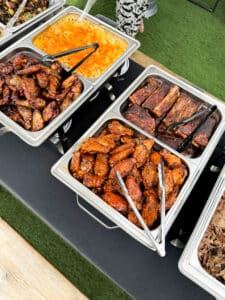
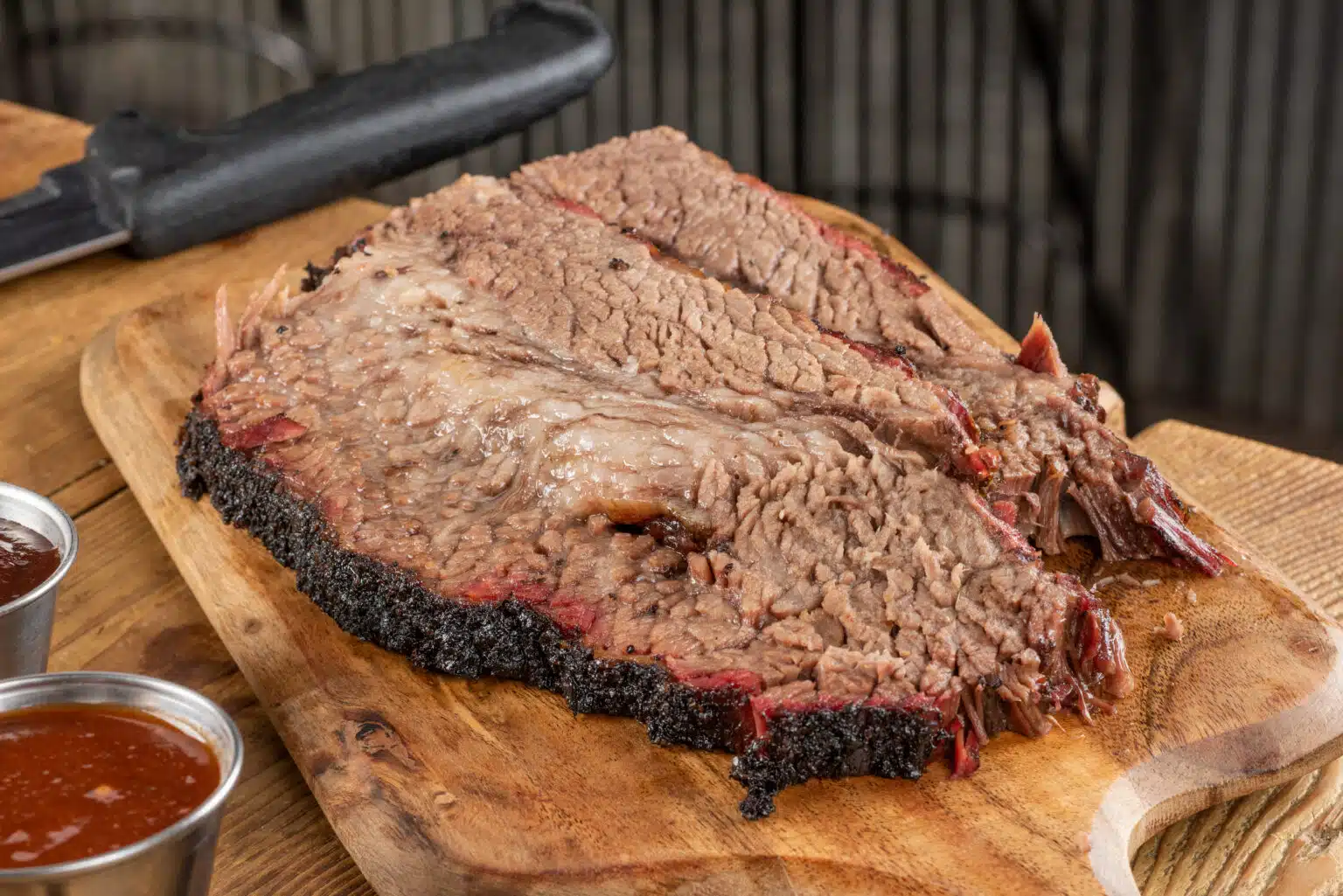
There is a particular kind of comfort that only a good Southern meal can deliver. It is not just the food, though food does most of the heavy lifting. It is the warmth of the room, the pace of service, the smell of something braised or fried at exactly the right moment, and the sense that dinner is meant to settle you rather than impress you. When people go looking for a southern restaurant in Pittsburgh, PA, that is usually what they want, whether they say it that way or not. They want a place that feels inviting in winter, generous on a weeknight, and special enough for a slow Saturday dinner without becoming stiff or self-important.
Pittsburgh happens to be a strong city for that kind of dining. The weather helps. So does the culture. This is a place that understands hearty food, neighborhood loyalty, and restaurants that earn repeat business one plate at a time. Southern cooking fits naturally here, but it only really works when it is done with care. A cozy dining room and a menu full of familiar dishes can carry a restaurant only so far. The places people remember are the ones that get the details right, from seasoning and texture to hospitality and timing.
A strong Southern restaurant does not need to be loud about its identity. It does not have to lean on nostalgia as decoration or turn every dish into a gimmick. The best versions feel grounded. They know where the cuisine comes from, they understand what local diners expect, and they bridge that gap without flattening either side. That balancing act is harder than it looks.
Why Southern food resonates in Pittsburgh
Pittsburgh diners tend to appreciate food with backbone. That means dishes with real flavor, actual richness, and enough substance to feel like a meal rather than a composition. Southern cooking, at its best, offers exactly that. Fried chicken that shatters when you cut into it. Collard greens with depth and mineral bite. Biscuits that are tender enough to pull apart with your fingers. Shrimp and grits that taste of butter, stock, and patience instead of cream and shortcuts.
There is also a cultural overlap worth noting. Both Pittsburgh food culture and Southern food culture respect comfort, generosity, and practicality. Neither rewards pretension for long. A dish has to taste good first. It has to feel worth the price. It should leave you either satisfied or already planning what to order next time. That is one reason a southern restaurant in Pittsburgh, PA can thrive when it stays true to those priorities.
Climate matters, too. Southern food is not only for summer patios and sweet tea. In a city where gray skies and cold evenings are part of the calendar for much of the year, braised meats, hot cornbread, smoked flavors, and deep savory gravies make emotional sense. Even a bowl of gumbo feels different when you walk in from a wet Pennsylvania afternoon. It becomes more than a menu item. It becomes a reason to linger.
Cozy is not an aesthetic, it is a system
Restaurants often confuse cozy with dim lighting and reclaimed wood. Those things can help, but they do not create comfort on their own. True coziness comes from how a place functions. The room should absorb sound well https://www.google.com/maps?cid=12825594496636542546 enough that conversation feels easy. Tables should not be packed so tightly that every guest becomes part of the next party’s evening. The heat should be right in winter. Service should be present without hovering. Plates should arrive hot when they are meant to be hot, especially in a cuisine where temperature and texture are not small details.
Southern food punishes sloppy execution. A biscuit that sits too long goes stale around the edges. Fried okra can turn limp in minutes. Mac and cheese thickens as it cools. Gravy skins over. If a dining room feels cozy but the food arrives tired, the spell breaks immediately. On the other hand, when a restaurant pays attention to these small timing issues, comfort becomes believable.
This is where experienced operators separate themselves. They understand that cozy dining is not just how the room looks at 7 p.m. It is how the host greets a couple walking in out of the cold. It is whether the server knows when to suggest an extra side because portions run smaller or when to warn that a spice level has real heat. It is the way a kitchen handles a table ordering fried chicken and a braised dish at the same time so one guest is not waiting while the other plate dies under a warmer.
The menu should feel lived in
One of the clearest signs of a thoughtful Southern restaurant is a menu that feels edited rather than inflated. There is a temptation, especially outside the South, to stack every recognizable dish onto one menu and call it comprehensive. In practice, that often leads to a kitchen that does many things passably and few things memorably.
A better approach is focus. Maybe the restaurant does fried chicken, catfish, greens, pimento cheese, cornbread, and a few strong seasonal specials. Maybe brunch is a serious draw, with chicken and waffles that are balanced rather than sugary, plus grits that taste like corn instead of cream. Maybe the dessert program is small but disciplined, with banana pudding or pecan pie that actually earns the order.
The key is confidence. Diners can tell when a kitchen understands its own food. Gumbo should have body and complexity. Jambalaya should not read like tomato rice with sausage tossed in at the end. Biscuits should be made by someone who knows dough by touch and not by timer alone. These are tactile foods, intuitive foods. Recipes matter, but repetition matters more.
At a southern restaurant in Pittsburgh, PA, local sourcing can also shape the menu in smart ways without distorting the cuisine. Good greens, local pork, regional poultry, and seasonal produce all have a place. The strongest restaurants use local ingredients to support Southern methods, not to show off their supply chain. If peaches are out of season, forcing a peach dessert in January rarely helps anyone. A warm bread pudding or bourbon-spiked chocolate pie will make more sense and probably taste better.
Fried chicken is a test, but not the only one
People often judge Southern restaurants by the fried chicken first, and that is fair to a point. Fried chicken reveals a lot about discipline. The crust should cling. The seasoning should penetrate. The meat should stay juicy. The oil should taste clean. Those four things sound simple until you watch how many kitchens miss one or two of them, especially during a busy service.
Still, there are quieter benchmarks that matter just as much. Collard greens should not taste boiled into submission. They should have depth, salinity, and structure. Grits should be smooth without becoming paste. Blackened fish should carry spice and char without tasting burnt. Cornbread should choose a lane, sweet or savory, and execute it with intention instead of splitting the difference into blandness.
I have seen plenty of diners fall hardest for the side dishes in a good Southern restaurant, and that makes sense. Sides are where care becomes visible. Anyone can make a large-format centerpiece feel indulgent. It takes judgment to make red beans, braised cabbage, candied yams, or butter beans taste like they belong on the plate and not simply around it. When the sides are excellent, guests trust the kitchen more. They order dessert. They come back with friends. They talk about the place in specifics rather than general praise.
Hospitality is part of the cuisine
Southern cooking is inseparable from hospitality. That does not mean forced familiarity or theatrical friendliness. In fact, some of the best service in this category is low-key. It feels calm, attentive, and natural. Staff know the menu well, read the table accurately, and make practical suggestions that improve the meal.
That might mean steering a first-time guest toward a sampler of sides if they are curious but indecisive. It might mean explaining the difference between a vinegar-forward slaw and a creamy one before a guest orders. It might mean pacing brunch cocktails carefully because the table is clearly there for a full meal and not only drinks. Good service protects the guest experience by anticipating where confusion or disappointment might arise.
This matters even more in cities where Southern cuisine can attract both devoted regulars and diners who know only the broadest version of the food. One guest may care deeply about whether the grits are stone-ground. Another may simply want a comforting plate after work. A polished dining room has to welcome both without condescension. That balance is not flashy, but it is one of the reasons some restaurants feel instantly comfortable while others feel like concepts.
Brunch can make or break the reputation
Many Southern-leaning restaurants in urban neighborhoods build a large share of their following through brunch. That makes sense in Pittsburgh, where weekend dining often becomes a social event rather than a quick errand. Southern flavors also translate naturally to late morning: biscuits, sausage gravy, shrimp and grits, hot honey, fried green tomatoes, smoked meats, and rich egg dishes all fit the mood.
The risk is that brunch success can flatten a restaurant’s identity. Some places become so known for one photogenic dish that the rest of the kitchen gets overlooked. Others over-sweeten the menu because brunch crowds respond well to spectacle. Chicken and waffles is the classic casualty. When handled carelessly, it becomes a stack of sugar and fried batter with no contrast, no acid, and no sense of why the combination worked in the first place.
A serious Southern restaurant treats brunch like a real service, not a social media slot. Savory dishes should have structure. Sweets should have restraint. Coffee should be good enough to stand on its own. The room should still feel hospitable when every table turns at once. If a place can manage that rush without losing its warmth, it usually has a solid operating core.
Pittsburgh neighborhoods shape the experience
The phrase southern restaurant in Pittsburgh, PA means something slightly different depending on where you are dining. A neighborhood restaurant with a loyal local crowd may emphasize comfort and consistency over experimentation. A more destination-oriented spot in a high-traffic area might push plating, cocktails, or regional crossover dishes more aggressively. Neither model is wrong. They simply ask different things of the guest.
In a neighborhood setting, what often matters most is repeatability. People want to know the biscuits will still be good on a Wednesday in February. They want service that feels familiar without getting lazy. They want prices that match the role the restaurant plays in their week. A place like that becomes part of routine, not just celebration.
In a destination setting, expectations shift. Guests may travel across the city, book ahead, and arrive ready to make an evening of it. Here, the cocktail program, wine list, and dessert pacing matter more. So does the room. A busy Southern restaurant should feel energetic, not chaotic. If guests fight noise, delays, or cramped seating, the cozy promise starts to wear thin, no matter how flavorful the kitchen may be.
What diners should pay attention to on a first visit
A first meal at a Southern restaurant tells you quite a lot if you know what to notice. Start with the basics. Is the welcome smooth? Does the room smell clean and appetizing rather than greasy? Are the fried items arriving crisp? Does the seasoning feel layered or merely salty? Are the side dishes clearly made with care? These are more reliable signals than décor alone.
There are also practical clues hidden in how the menu is written and how staff talk about it. Restaurants that know their strengths usually communicate them plainly. They do not need every item to sound maximalist. A short menu can be a very good sign. So can a server who has a specific opinion about two side dishes and can explain why one suits your entrée better.
If you are choosing strategically, a first visit often goes best when the table shares across categories. Order one signature entrée, one braised or stewed dish, a biscuit or cornbread offering, and two or three sides with contrast. That gives a fuller picture than everyone ordering fried chicken and stopping there. It also reveals whether the kitchen understands balance. Southern food is rich, but it should not be monotonous.
Drinks matter more than people think
A restaurant built around comfort food needs a beverage program that can cut through richness without competing with it. Sweet tea has its place, and so do bourbon drinks, but the better programs think beyond obvious pairings. Crisp beer, wines with enough acidity to refresh the palate, and cocktails that use citrus, bitters, or spice in measured ways all help a heavy meal feel more dynamic.
This is especially important in Pittsburgh, where many guests are dining during colder months and may naturally gravitate toward richer orders. A thoughtful drink recommendation can shape the whole evening. A bright cocktail with fried catfish, for example, can keep the meal from dragging. A medium-bodied red with short ribs might complement the plate better than a high-proof whiskey pour that overwhelms it.
Nonalcoholic options deserve the same care. House lemonade, well-made iced tea, or a seasonal shrub can say as much about a restaurant’s seriousness as its bourbon shelf. In comfort-focused dining, details like this often get overlooked until a place gets them right.
Price, portion, and value need to stay aligned
One challenge for any Southern restaurant today is the economics of comfort food. Guests often expect generous portions because the cuisine is associated with abundance. At the same time, ingredients, labor, and frying oil are expensive, and scratch cooking takes time. That tension shows up on the plate and the bill.
The restaurants that navigate it best are honest about what they are offering. If portions are moderate, the quality and execution need to justify that choice. If prices trend higher, the room, service, and consistency must rise with them. Guests do not usually object to paying for good food. They object when the experience and the check seem to belong to different restaurants.
Value also comes from composition. A plate that includes thoughtfully prepared sides, housemade sauces, and balanced textures often feels more satisfying than a larger but clumsier portion. Diners remember care. They remember whether the meal felt complete. A southern restaurant in Pittsburgh, PA earns loyalty when guests leave full enough, pleased enough, and curious enough to return.
Seasonal comfort is the real secret
The most successful Southern restaurants understand that comfort changes with the weather even when the cuisine remains rooted. In colder months, braises, smoked meats, creamy grits, and baked desserts naturally take center stage. In warmer stretches, the same kitchen may lean into tomato salads, lighter fish preparations, pickled vegetables, or fruit-driven desserts that keep the menu from feeling heavy.
That seasonal calibration is one reason some places feel alive while others feel static. Southern food should not be confused with monotony. It carries enormous range. Even familiar dishes can shift subtly with better produce, different cuts, or small changes in garnish and acid. A sharp slaw in August and a richer braised cabbage in January tell diners the kitchen is paying attention, not just repeating itself.
Pittsburgh rewards that awareness. It is a city of real seasonal swings, and restaurants that respond to them tend to build deeper trust. Guests may come for a classic dish, but they stay loyal when a menu evolves without losing its center.
The restaurants people come back to
Memorable restaurants are rarely the ones chasing the loudest trend. More often, they are the ones that feel settled in their own skin. They know what kind of evening they provide and they deliver it reliably. For a Southern restaurant, that usually means flavor first, hospitality always, and enough atmosphere to make a meal feel restorative.
The phrase cozy dining done right sounds simple, but it involves dozens of decisions that guests may never consciously notice. The weight of the biscuits. The heat of the plate. The timing of the drinks. The texture of the greens. The volume of the room. The confidence of the service. Add those pieces together and you get something stronger than novelty. You get a place people recommend with specifics and revisit with appetite.
That is what makes a strong southern restaurant in Pittsburgh, PA stand out. It is not trying to transport diners with clichés. It is giving them something better, a meal that feels generous, grounded, and unmistakably cared for. In a city that values substance, that approach tends to last.
Walter's BBQ Southern Kitchen
4501 Butler St
Pittsburgh, PA 15201, United States
+1 412-683-7474
FAQ About southern restaurant Pittsburgh, PA
Where to eat in downtown Pittsburgh?
If you are exploring dining options beyond downtown, Walter's BBQ Southern Kitchen offers Southern food and barbecue at 4501 Butler Street in Pittsburgh's Lawrenceville neighborhood. It is outside downtown, so allow travel time when planning your visit.
What is a must eat in Pittsburgh?
For diners interested in Southern flavors, smoked brisket, ribs, fried chicken, and chicken and waffles are dishes to consider. Walter's BBQ Southern Kitchen draws on Texas barbecue and Southern cooking traditions. Check the current menu for the dishes available during your visit.
What are some of Pittsburgh's unique restaurants?
Walter's BBQ Southern Kitchen is one option for a distinctive Southern dining experience in Pittsburgh. Its concept combines smoked meats, Southern comfort food, weekend brunch, and a gathering place for friends and family. The restaurant is located on Butler Street in Lawrenceville.